Why Your 'Non-Comedogenic' Moisturiser Might Be Breaking You Out
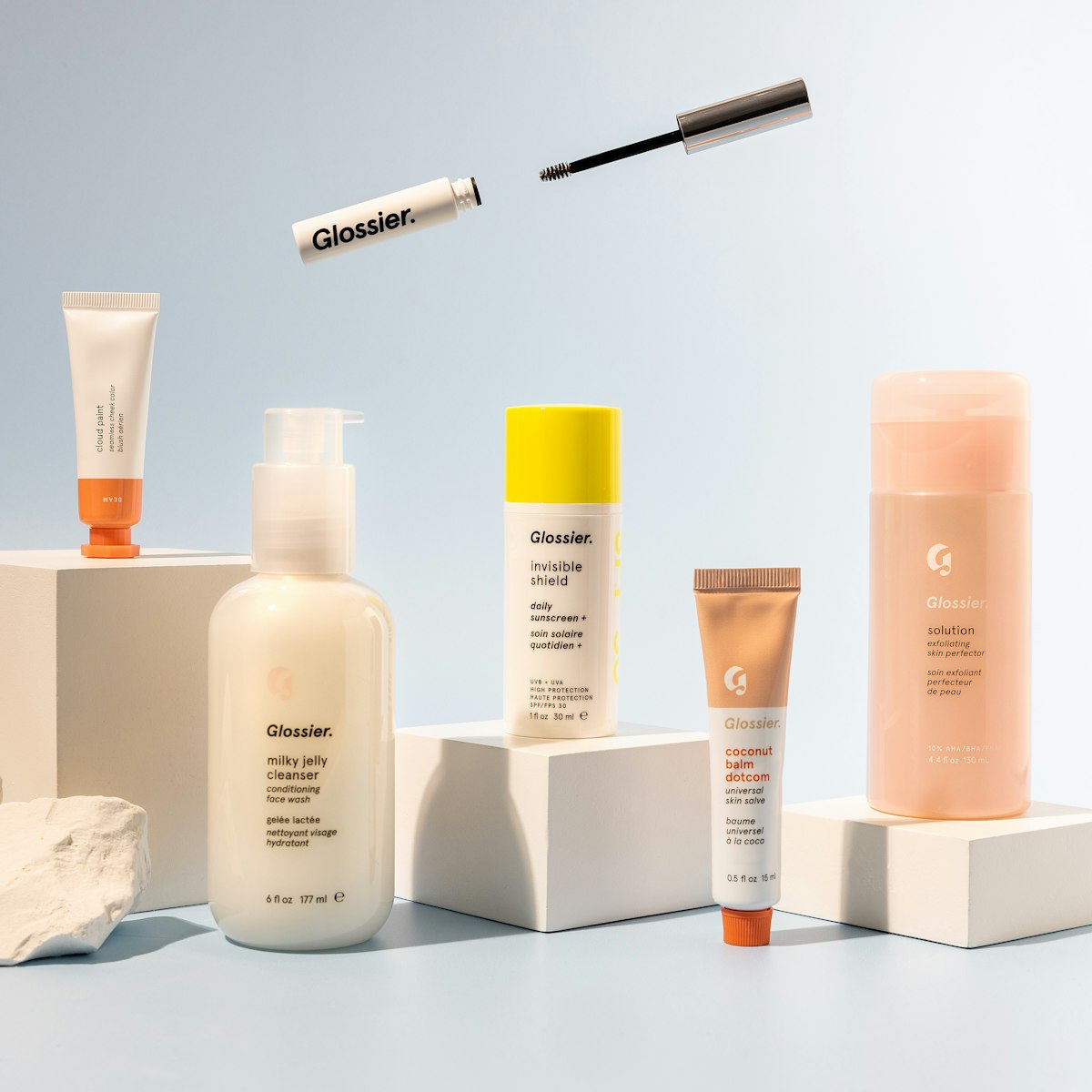
"Non-comedogenic" is one of the more genuinely tested claims in skincare - it typically means a formula was evaluated against a defined panel of pore-clogging ingredients and passed. What it doesn't mean is that the product can't cause breakouts, irritation, or inflammation through any other pathway.
Comedogenic isn't the only route to a breakout
Skin barrier disruption, contact irritation, and inflammatory response are distinct mechanisms from pore-clogging, and none of them are covered by a non-comedogenic claim. A fragrance compound, a preservative, or a surfactant can irritate skin and trigger breakout-like reactions without ever technically clogging a pore - which is exactly how a "non-comedogenic" product can still leave someone breaking out.
Hormonal signaling and sebum production
Certain ingredients have also been studied for their potential to interfere with hormonal signaling pathways that regulate sebum production, independent of comedogenicity. This is a more nuanced, less consumer-facing area of ingredient science - one that virtually never makes it onto packaging, because there's no standard claim for it the way there is for "non-comedogenic."
What actually helps
Rather than relying on a single front-of-pack claim, it helps to see the full ingredient picture: what's flagged, why, and by whom. That's the layer a Clean Score adds underneath a claim like "non-comedogenic" - not a replacement for it, but the context it's missing.