What 'Clean Beauty' Actually Means (Legally, Nothing)
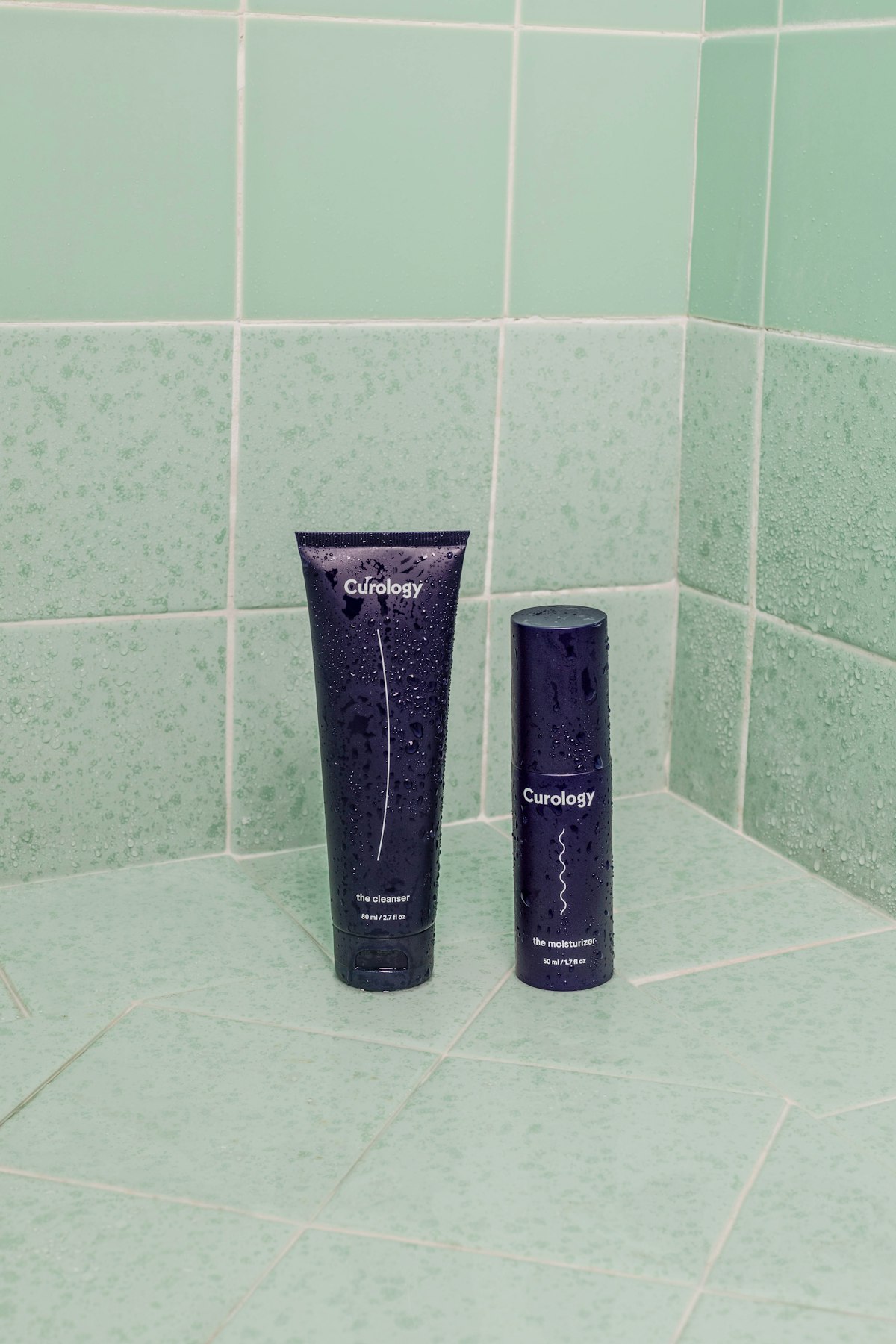
"Clean," "natural," "non-toxic," and "pure" are some of the most common words on beauty and food packaging - and none of them are defined or regulated by any government agency in the US or EU. A brand can print "clean" on a product with the exact same formulation as one that doesn't, and neither use is illegal.
There's no clean beauty standard
Unlike terms such as "organic," which is tied to certification bodies with actual audit requirements, "clean" has no such body behind it. Retailers have created their own internal "clean" lists of ingredients they choose not to stock, but these lists differ from retailer to retailer, are set by the retailer's own marketing and legal teams, and carry no external verification.
"Natural" doesn't mean safer, either
Naturally derived doesn't automatically mean gentler or lower-risk - poison ivy and arsenic are both natural. And a substance can be synthesized in a lab yet be molecularly identical, and behave identically in the body, to its "natural" counterpart. Whether an ingredient is a concern depends on what it actually is and how it's used, not on which column it falls into on a marketing sheet.
What actually matters
The only thing that reliably tells you what's in a product is the ingredient list itself, read against real regulatory and research data - not the front-of-pack claims. That's why a Clean Score never inherits a brand's own "clean" labeling: every product, however it's marketed, gets scored the same way against the same evidence.